Your brand is more than your name and your logo. It's also what people say about you when you're not in the room: what your customers tell their friends, and what they write in their reviews. Put all of that together and you get the reason somebody picks you instead of the business down the road.
What brand awareness means
Brand awareness is how well the people in your area know your business. Being known comes before being picked, because nobody can pick a business they've never heard of.
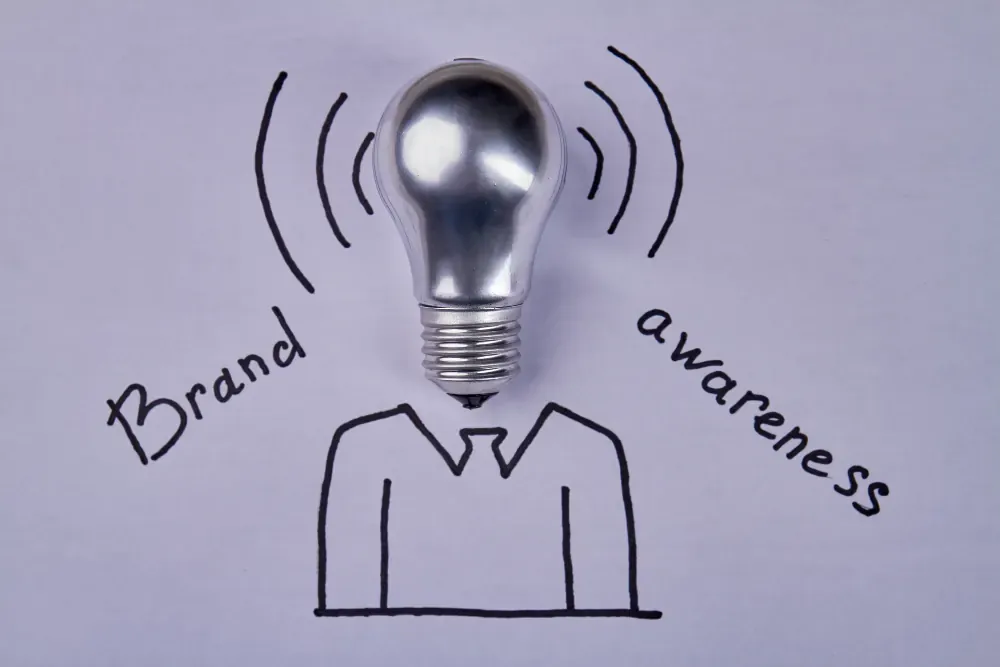
So the goal is to get people to know your name, trust it, and think of you when they need what you do.
Being recognized on sight
Recognition is the part people see: your logo, your colors, and the way you talk in your posts and on your website. When those stay the same everywhere, people know it's you before they read your name.
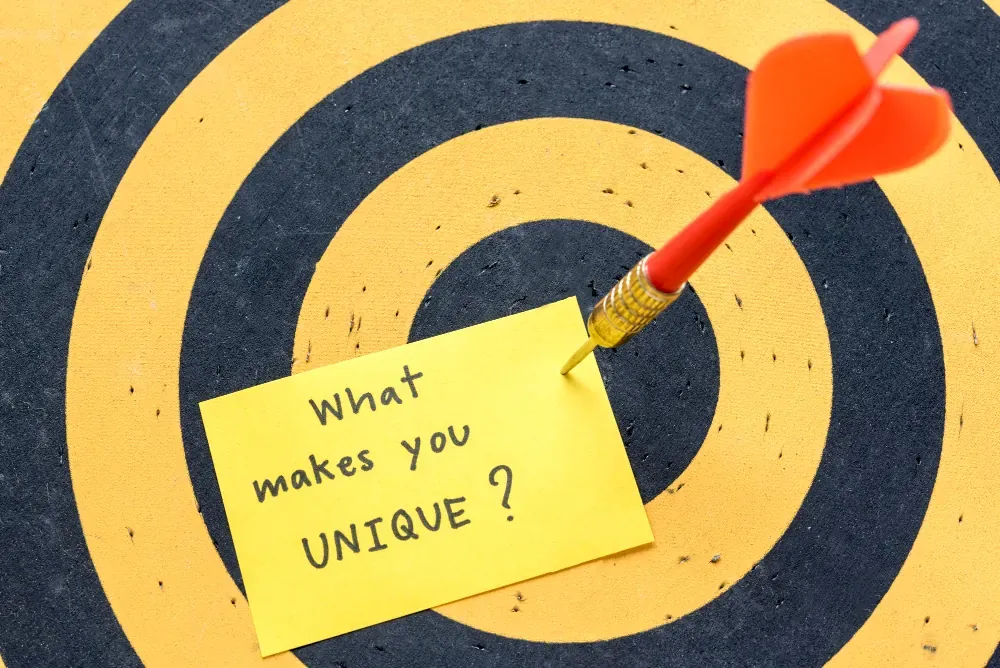
Before you post anything, answer these for yourself:
- What do you want people to think when they see your name?
- What makes your business different from the others in your town?
- What story about your business would somebody repeat to a friend?
- How do you want your posts and your website to look and sound?
Then use the same answers everywhere, every time, because recognition comes from repeating them. But awareness is the bigger job: people knowing you well enough to feel good about choosing you.
Why social media is where most small businesses start
Social media is one of the easiest ways to get your name in front of people. With billions of people using the internet, it's a big loss to leave that untapped, and that's true for a one-truck shop the same as it is for a big company. We cover the reasons in our post on why social media marketing matters.
It also lets people see how you act. They watch you answer questions, thank customers and handle a complaint, and that tells them more about you than an ad does. And when you've got a special or a new service, your followers hear about it before anybody else does.
Most small businesses can do their own posting without hiring anybody. But posting without a plan can eat a lot of evenings, which is why it helps to know what's working.
Why measure it
You can't tell how well people know you just by posting and hoping. However, the numbers on your social accounts can show you. Watching them helps you:
- Find the one or two sites where your customers actually spend their time, so you don't spread yourself thin across all of them.
- See whether your posts are reaching new people. If you don't see any new customers from your posts for months, it's time to change what you post.
- Check your goals. If none of the numbers are moving, take a fresh look at what you wanted in the first place, or start your plan over.
The social media numbers to watch
Impressions
Impressions count every time your post was seen. If one person sees it 3 times, that counts as 3 impressions. And the posts people keep coming back to tell you what kind of post to make more of.
Reach
Reach counts people, not views, so that same person who saw your post 3 times counts once. If your reach keeps growing from month to month, more people are seeing you. It's about as close as you'll get to measuring awareness directly.
Engagement
Engagement is the likes, comments and shares. Check it two ways: post by post, and as an average across all your posts.
The post-by-post view shows you what your followers like best. The average shows you whether people are liking and sharing more of your posts month to month.
Mentions
A mention is anybody tagging your business or writing your name in a post. When mentions start showing up, people are talking about you on their own.
Your share of the conversation
This one compares how often people mention you with how often they mention every business like yours in your town. Your own numbers can look fine by themselves and still be small next to the company down the road, so it's worth knowing where you stand.
What people are saying
Lots of mentions aren't good news if they're complaints. So read the posts that tag you, read your reviews, and answer an unhappy customer quickly.
A calm, fast reply shows everybody reading it that you listen, and it can change how people see you even after a bad review. Our post on how to respond to reviews walks through what to say.
What your customers already know about you
Impressions, reach, engagement and mentions tell you how many people know your name. But they can't tell you why somebody would pick you once they do. When every business in town says "trusted, experienced, fair prices," the customer can't tell any of them apart, so the choice gets made on price.
Your customers have already written down half of it. That half is in your reviews, in their own words, about the thing you actually did for them. See how we find the one thing your customers praise you for, and turn it into words your people can use.