"Happy client, happy life." That's the saying, and big companies take it seriously. They spend real money keeping the customers they already have, because a happy customer stays, spends more and tells their friends.
You can do the same thing in your own town, on a small business budget.

Why customers who stay are worth more
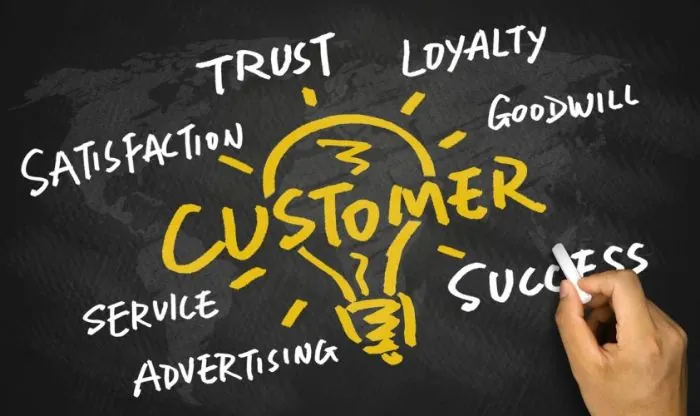
A business of any size runs on customers who come back, because the longer a customer stays with you, the more they're worth. What a customer is worth to you over all those years is called client lifetime value, and keeping customers around is how you raise it.
It's also easier to sell to somebody who already knows you than to win a stranger. According to The National Law Review, “It can cost 5 times more to acquire new customers than it does to keep current ones.” So if you want your money to go further, start with the customers you already have.
How a newsletter keeps customers coming back
You keep customers the same way you got them: keep doing good work, and keep showing up. But most customers only need you now and then, and months can go by between jobs. A monthly email newsletter keeps you in touch in between. You send your past customers something useful on a schedule, and it costs them nothing.
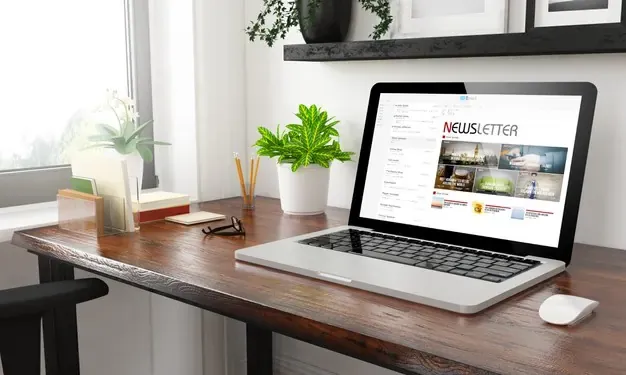
Here's why it works:
- Hearing from you builds trust. A customer who hears from you every month still has your name in their inbox when they need you again.
- Useful help shows you know your stuff. A tip, a reminder about seasonal work, an answer to a question you hear all the time. Every useful email is a small reminder of why they hired you in the first place.
A newsletter works on people who haven't hired you yet, your current customers, and the ones you haven't seen in a while. Write it well and send it on schedule, and over time it keeps you top of mind.
Sending it every month, with nobody having to remember
Sending it every single month is the hard part, because the busy weeks pile up and nobody remembers to send it.
That's what we build into your automations: past customers and old leads hear from you again, and the work comes out of the list already sitting in your software. Your people approve every message before it's ever used, and after that the messages go out on their own, so nobody has to remember to send them.